Bonial
Creative Leadership

Behind the Work
The design team at Bonial consisted of fourteen designers, some centralised within the design department and others embedded in product and marketing teams. This hybrid setup required clear coordination to avoid fragmentation and misalignment.
I redesigned workflows, introduced planning and critique rituals, and created templates for briefs and feedback. These structures helped designers navigate priorities more easily, communicate decisions more clearly and work with greater autonomy.
A key part of this work was establishing a shared creative culture. I introduced the concept Seriously Playful, a mindset balancing rigour and experimentation. To support this approach, I defined a set of Design Principles that guided how the team approached decisions, collaboration and creative challenges.
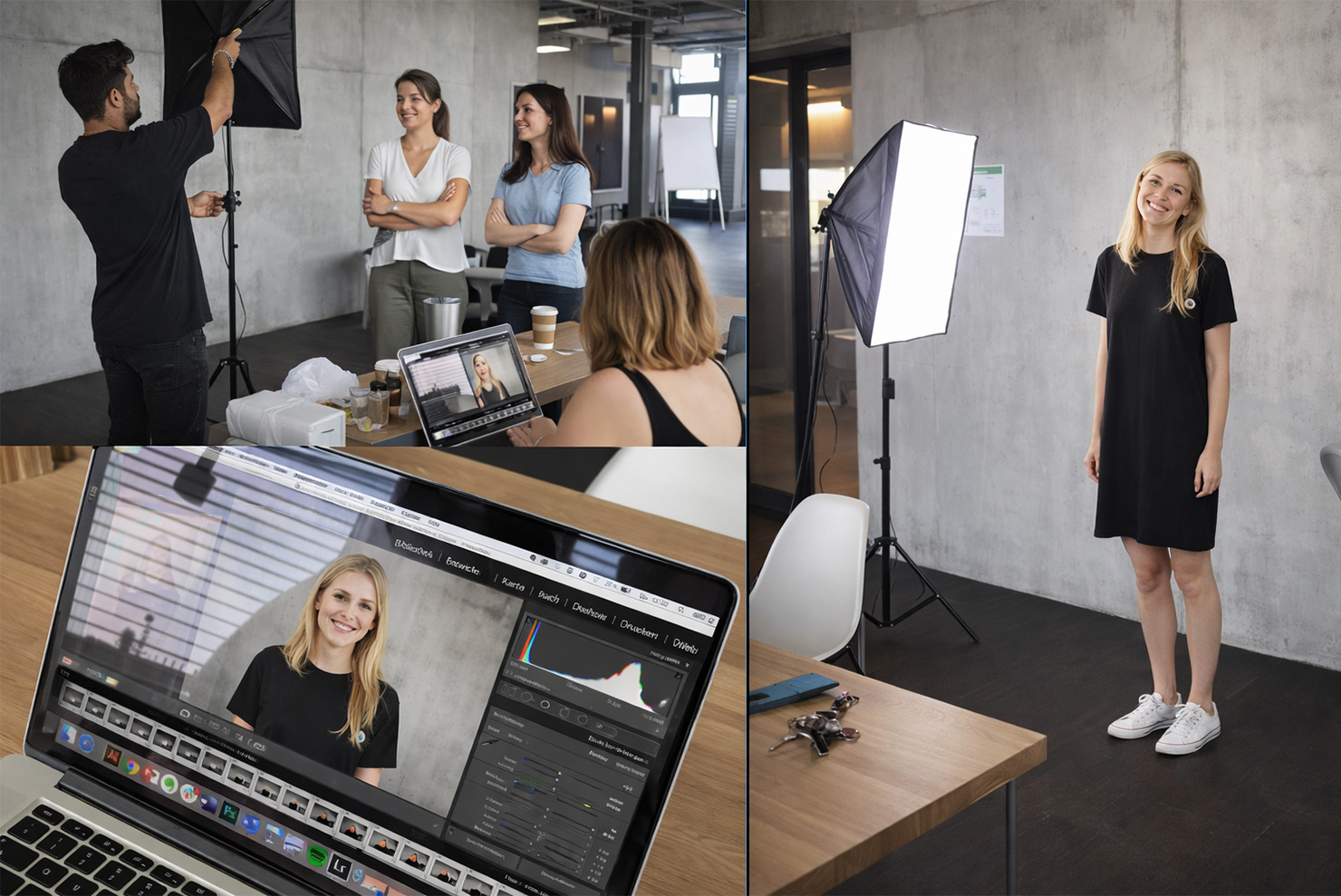
Beyond delivery work, I intentionally used employer branding initiatives as a creative playground. Projects such as internal communication visuals, team goodies and photoshoots for new employees became spaces for experimentation, learning and exchange. These moments allowed designers, product managers and other teams to collaborate outside of delivery pressure, test ideas and strengthen relationships.
This transformation improved structure and stability within the team. Bonial’s design organisation maintained a low turnover rate, reflecting a culture where people felt supported, aligned and encouraged to grow together.
Alongside this organisational work, I also use my role as a space to explore how emerging tools, including AI, can support ideation, production workflows and creative exploration in a thoughtful and responsible way.
Results That Matter
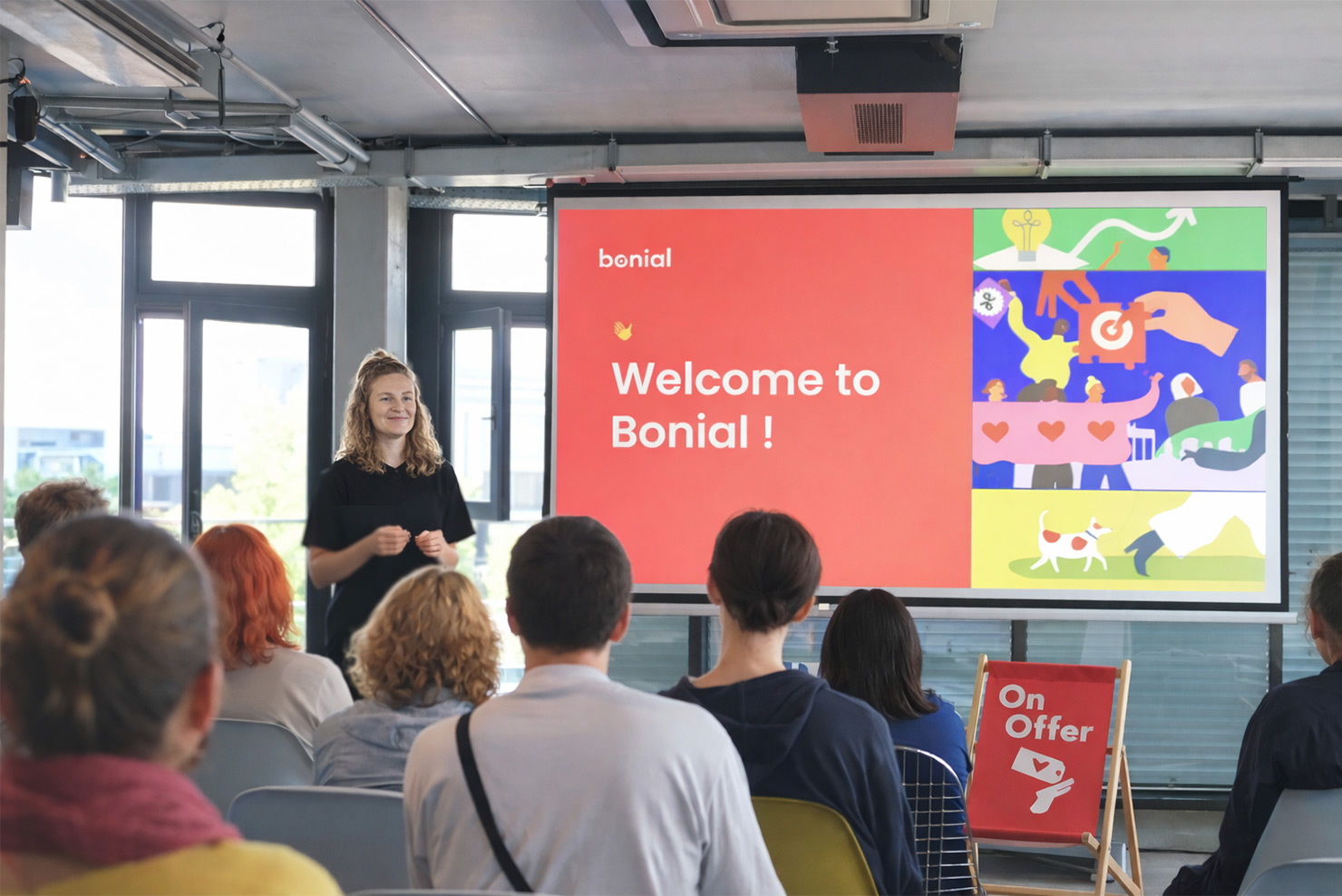
The team developed a stronger collective identity, clearer roles and a more sustainable working rhythm. Designers gained confidence, communication became more fluid and strategic alignment improved across the organisation. The shared philosophy and principles elevated creative thinking and made collaboration smoother and faster.
Key Outcomes
• Predictable and sustainable workflows
• Better collaboration across departments
• More confident and autonomous designers
• Clear creative and operational alignment
• Higher consistency across all deliverables